
Nissan Check Engine Light Codes, Free OBD-II Scans, and Diagnostics in Cape Girardeau
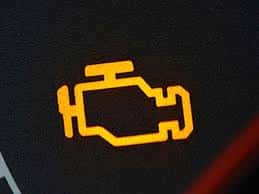
When your check engine light comes on, it’s your car’s way of saying something’s not right. Whether you drive a Nissan Rogue, Altima, Pathfinder, Sentra, or a Certified Pre-Owned Nissan, or another make, understanding the meaning of those codes can empower you, save you time, money, and frustration.
At John Sinclair Nissan in Cape Girardeau, Missouri, we are here to help. We assist drivers from Jackson, Sikeston, Perryville, Poplar Bluff, and all over Southeast Missouri to diagnose and fix these issues quickly. This guide breaks down common Nissan codes, post-jump-start resets, and free scan options — plus when to drive and when to call a tow. You can be confident in our local service options.
Common Nissan Check Engine Light Codes and What They Mean
Here’s a detailed look at the most frequent codes we see in our service bays, grouped by category and with plain-language explanations.
Emission System Codes
P0420 / P0430 – Catalyst System Efficiency Below Threshold
Your catalytic converter isn’t working as efficiently as it should. The engine control module detects that emissions are higher than allowed.
Causes
- Aging or failing catalytic converter
- Faulty oxygen sensors
- Exhaust leaks upstream of the converter
Symptoms
- Check engine light
- Reduced power on acceleration
- Failed emissions test
Service Tip: Start with an O₂ sensor test. If sensors are good, inspect the converter for wear or clogging.
P0455 / P0456 EVAP System Leak Detected Large / Small
The EVAP system traps fuel vapors. A leak means those vapors are escaping.
Causes
- Loose or damaged gas cap (frequent)
- Cracked EVAP hoses
- Faulty purge or vent valves
Symptoms
- Check engine light
- Noticeable fuel smell
Service Tip: Always check the gas cap first. If tightening or replacing doesn’t clear the code, smoke-test the EVAP system for leaks.
Engine Performance Codes
P0171 / P0174 – System Too Lean (Bank 1 / Bank 2)
Both mean the engine is running too lean — too much air, not enough fuel — but they refer to different sides of the engine.
- P0171: Bank 1 (side with cylinder #1)
- P0174: Bank 2 (opposite side of cylinder #1)
Causes
- Vacuum leaks (hoses, intake gaskets)
- Faulty/dirty Mass Air Flow (MAF) sensor
- Weak fuel pump or clogged fuel filter
- Dirty/bad fuel injectors
- PCV valve failure
- Exhaust leak before the O₂ sensor
- Faulty O₂ sensors (less common)
If both appear together, it is usually a shared issue like a major vacuum leak, bad MAF, or low fuel pressure.
Symptoms
- Check engine light
- Hesitation or misfire
- Poor acceleration
- Stalling or rough idle
- Poor fuel economy
Service Tip: Fix vacuum leaks, check fuel pressure, and clean or replace the MAF sensor before replacing O₂ sensors.
P0300–P0306 – Misfire Detected
The engine isn’t firing properly in one or more cylinders.
Causes
- Worn spark plugs
- Bad ignition coils
- Faulty fuel injectors
- Low compression in the cylinder
Symptoms
- Rough running
- Engine shaking
- Poor acceleration
- Possible flashing check engine light (Malfunction Indicator Lamp – MIL)
Service Tip: Address quickly — driving with a misfire can damage the catalytic converter.
Sensor & Electrical Codes
P0101 / P0102 – Mass Air Flow (MAF) Sensor Issues
The MAF sensor measures air entering the engine. When it fails or gets dirty, the engine can’t balance fuel correctly.
Causes
- Dirt or oil contamination
- Faulty sensor electronics
- Wiring/connection issues
Symptoms
- Poor acceleration
- Hesitation or surging
- Poor fuel economy
Service Tip: Clean with MAF-specific cleaner, never regular carb cleaner.
P0130–P0161 / P0138 – Oxygen Sensor Circuit Malfunctions
O₂ sensors measure oxygen in the exhaust to adjust the fuel mixture.
Causes
- Worn or failed O₂ sensor
- Exhaust leaks before the sensor
- Wiring issues
Symptoms
- Check engine light
- Drop in fuel economy
Service Tip: Replace faulty sensors promptly to prevent converter damage.
P0340 / P0335 – Camshaft / Crankshaft Position Sensor Faults
These sensors track engine timing for fuel injection and ignition.
Causes
- Failed sensor
- Damaged tone ring or reluctor wheel
- Wiring/connector issues
Symptoms
- Hard starting
- Stalling
- No-start condition
Service Tip: Often a straightforward sensor replacement, but verify wiring integrity first.
P0113 / P0128 – Intake Air Temperature or Coolant Thermostat
P0113: Intake air temp sensor reading too high (open circuit).
P0128: Coolant thermostat stuck open — engine runs too cool.
Causes
- Failed sensor or thermostat
- Wiring damage
- Coolant leaks
Symptoms
- Poor fuel economy
- Heater is not warming up
- Check engine light
Service Tip: Replace the thermostat for P0128 and check coolant system health.
What happens if you ignore the Check Engine Light?
Ignoring the light can lead to
- Bigger repairs — A small EVAP leak can turn into a full system replacement.
- Higher fuel costs — Lean or rich running hurts MPG.
- Emissions failure — Some states won’t pass a car with an active check engine light.
- Breakdowns — Misfire or sensor codes can lead to stalling.
Multiple Warning Lights After a Jump Start
A dead battery and jump start can cause multiple lights — ABS, traction, transmission — to appear. This is often due to low voltage triggering or temporary communication codes, such as U1000.
Safe reset steps:
- Use an OBD-II scanner to read/clear codes.
- Follow proper safety procedure: Disconnect the negative (-) cable first, then the positive (+) cable. Wait 10–30 minutes. When reconnecting, attach the positive (+) cable first, then connect the negative (-) cable last. This sequence prevents sparks and potential shorts. Full resets may not work without a scan tool. Warning to NOT touch battery cables together is important and true (risk of short or fire)
Disconnect the negative cable, then the positive. Wait 10–30 minutes. - Perform idle/throttle relearn if required.
Avoid: Touching battery cables together — not safe.
When Post-Jump Warnings Can Be Ignored:
- Only appeared after jump
- Car runs normally
- Codes clear after a short drive
When to Book Service Immediately:
- Flashing check engine light
- Rough running or loss of power
- Lights persist after reset
Free OBD-II Scans Near Cape Girardeau
- John Sinclair Nissan: Our Nissan-certified technicians are factory-trained and know your vehicle inside and out. We use professional grade diagnostic tools that read more than basic codes, giving you a complete picture of your car’s condition.
- O’Reilly Auto Parts: VeriScan tool, printed report, no clearing of codes. Codes are generic, and actual diagnosis requires a pro-grade scan tool and an experienced mechanic for anything non-basic
- AutoZone: Fix Finder reads engine, ABS, maintenance codes.
- Advance Auto Parts: Basic OBD-II scans at participating stores.
Note: Free scans are informational, not diagnostic.
Drive vs. Tow
Safe to drive short term: Solid check engine light, normal performance.
Tow immediately: Flashing check engine light, reduced power, smoke, overheating.
A flashing check engine light indicates active misfire, which poses a risk of catalytic converter damage.
Why Local Service Matters
At John Sinclair Nissan, our Nissan certified technicians use factory diagnostic tools for faster, more accurate repairs. We see the same codes daily on Rogue, Altima, Pathfinder, Sentra, and more, so we know the fixes that work. Choosing a local service provider like us can ensure that your car is back on the road sooner, saving you time and hassle.
If repairs are significant, trading in for a new Nissan, Certified Pre-Owned Nissan or Used Vehicle could be the smarter move — and we can help you compare your options.
FAQs
Q: Can a low battery trigger the check engine light?
Yes. Low voltage can cause temporary codes that may clear after driving.
Q: Will my Nissan pass inspection with the light on?
No. The light must be off and system monitors set to “ready.”
Q: Can I reset the light myself?
Yes, but if the issue remains, it will return.
Q: How long can I drive with the light on?
It depends on the code. Solid light with minor EVAP leak may be okay briefly; flashing light means stop driving.
Q: How much is a diagnostic at John Sinclair Nissan?
A: We offer a free basic OBD-II scan to read your check engine light code.
If you need a full diagnostic — including pinpoint testing, system checks, or a deeper dive into why the code appeared — a diagnostic fee applies.
This fee covers the time and expertise of our Nissan-certified technicians.
Your Next Step
- Get the code by Visiting O’Reilly, AutoZone, or Advance Auto Parts, or see us for a free scan.
- Call us with the results. Our team will explain what it means.
- Book your repair – Schedule service online or call (573) 334-9611.
We serve Cape Girardeau, Jackson, Sikeston, Perryville, Poplar Bluff, and beyond with certified Nissan service.
0 comment(s) so far on Nissan Check Engine Light Codes, Free OBD-II Scans, and Diagnostics in Cape Girardeau